Prepping Metal Before Painting: The Steps That Make Paint Last
This guide contains affiliate links. As an Amazon Associate I earn from qualifying purchases. Disclosure.
Most paint failures on metal start with poor prep. Here's the order that works.
- Degrease first. Use a wax-and-grease remover or degreaser before any sanding or blasting. Otherwise you grind the oil into the surface.
- Remove rust, loose paint and mill scale. Use hand or power tools, abrasive blasting, chemical removers or laser cleaning. Industry standards (e.g., SSPC/AMPP surface preparation standards) define cleanliness grades from hand-tool cleaning to white-metal blast. Check the level your coating's data sheet asks for.
- Get the right profile. Many coatings need a rough "anchor" profile, and blasting or sanding provides it. Laser cleaning leaves little profile, so if your coating needs one, follow with abrasive work or choose a primer meant for smoother surfaces.
- Remove dust and salts, then wipe with the solvent the primer maker recommends.
- Prime quickly. Freshly cleaned steel can flash-rust within hours, faster in humidity.
- Choose the right primer: etch or self-etching primers for bare steel and aluminum, special primers for galvanized metal, epoxy primers for durability. Stick to one compatible system and follow the recoat windows.
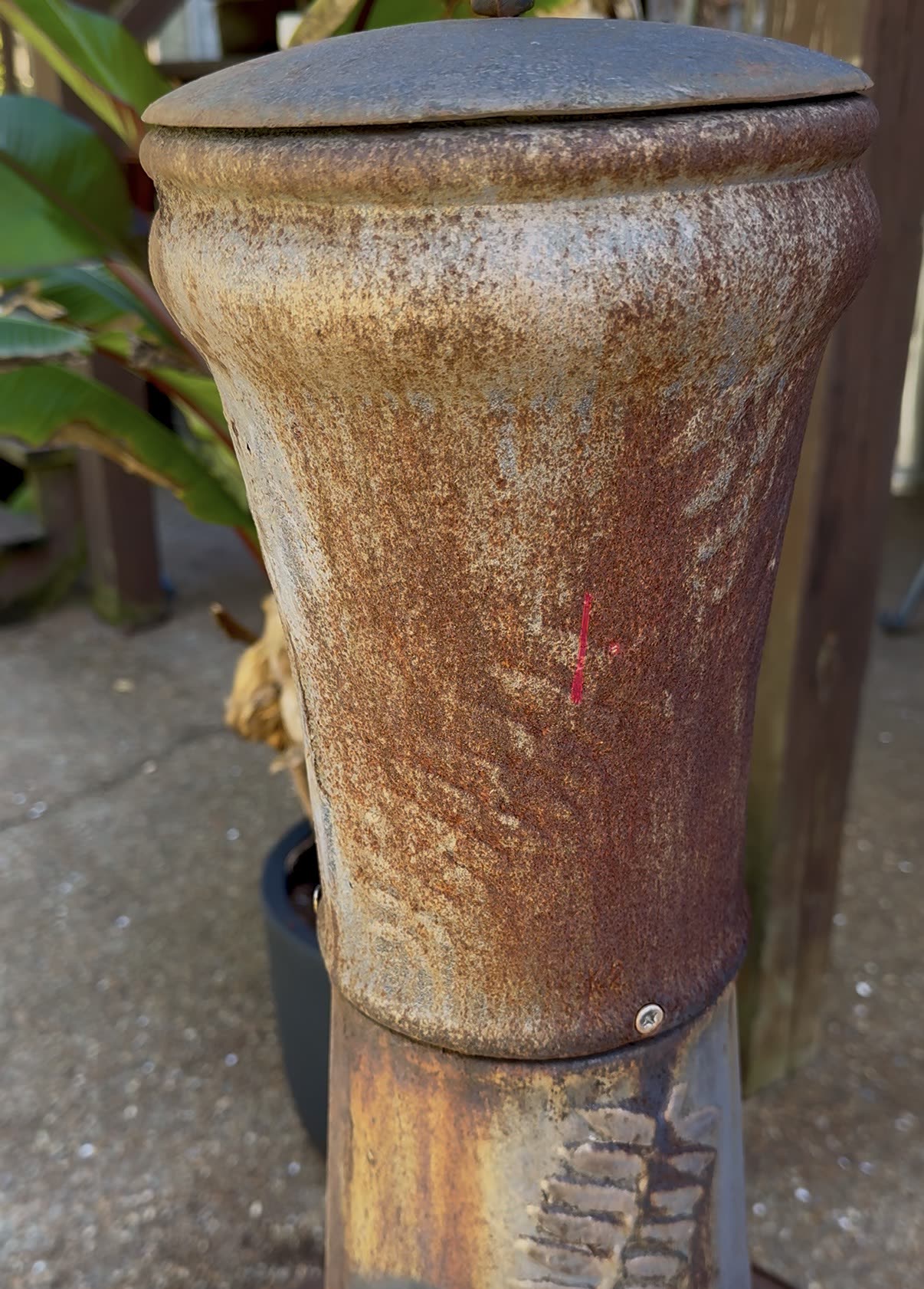
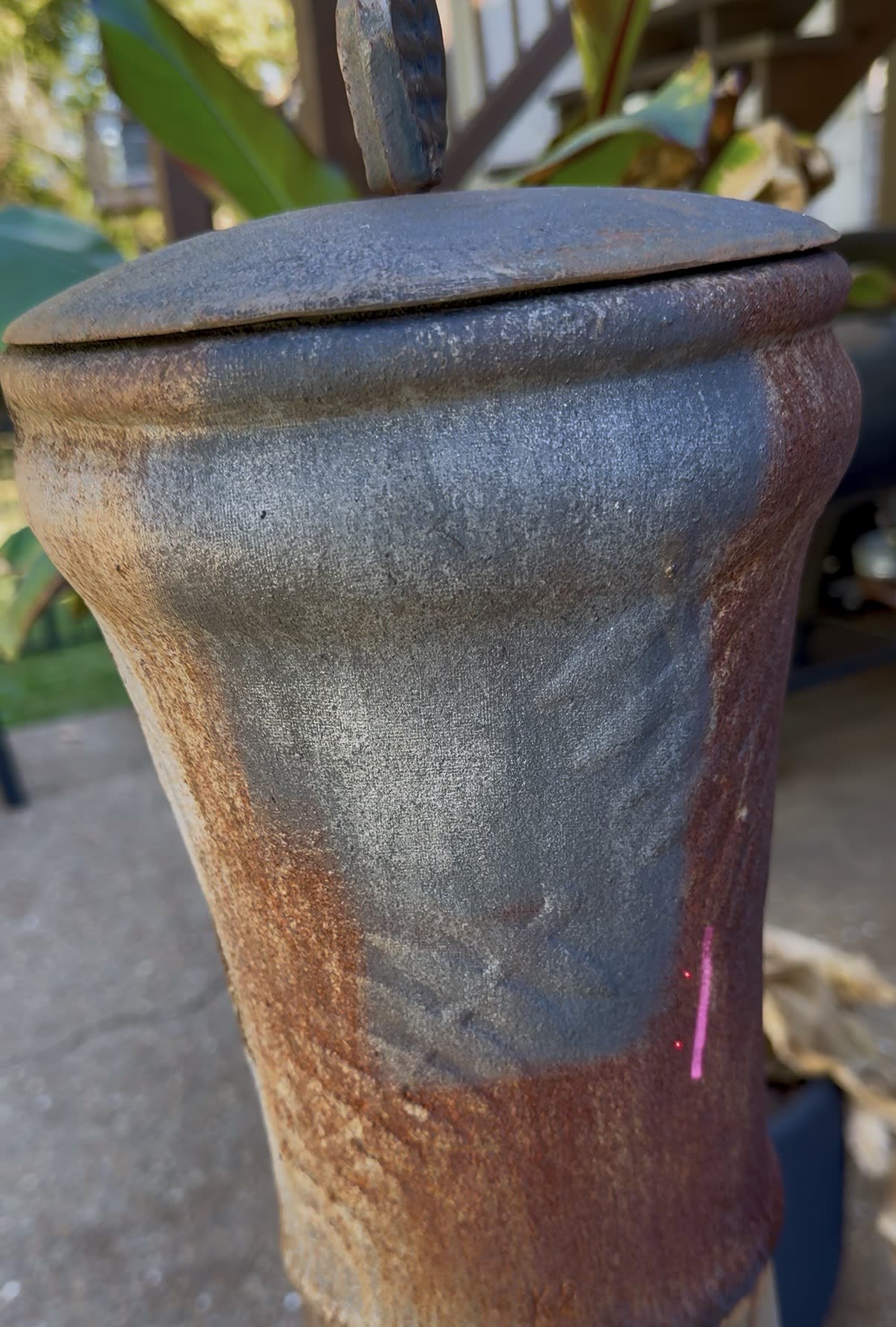
Bare metal like this needs primer soon after cleaning.
Lead paint warning: Paint applied before 1978 may contain lead. Sanding, blasting, heat-gunning or laser-ablating it creates hazardous dust or fumes. Test first (EPA-recognized test kits or a lab), and for pre-1978 homes and child-occupied facilities, hired contractors must be EPA RRP-certified.
Galvanized (zinc-coated) steel gives off zinc oxide fumes when it's welded, ground or ablated. Ventilate and use respiratory protection.
Products for this job
- Wax and grease remover Degrease before any sanding or blasting. Check price on Amazon
- Flap disc assortment Removes rust and scale and leaves a profile. Check price on Amazon
- Rust-Oleum Automotive Self Etching Primer For bare steel and aluminum. Check price on Amazon
- Epoxy primer Durable primer for a full coating system. Check price on Amazon