Are Handheld Laser Cleaners Worth It? An Honest Look
This guide contains affiliate links. As an Amazon Associate I earn from qualifying purchases. Disclosure.
Laser cleaners are all over social media. I use one for work, so here's a plain look at what you actually get.
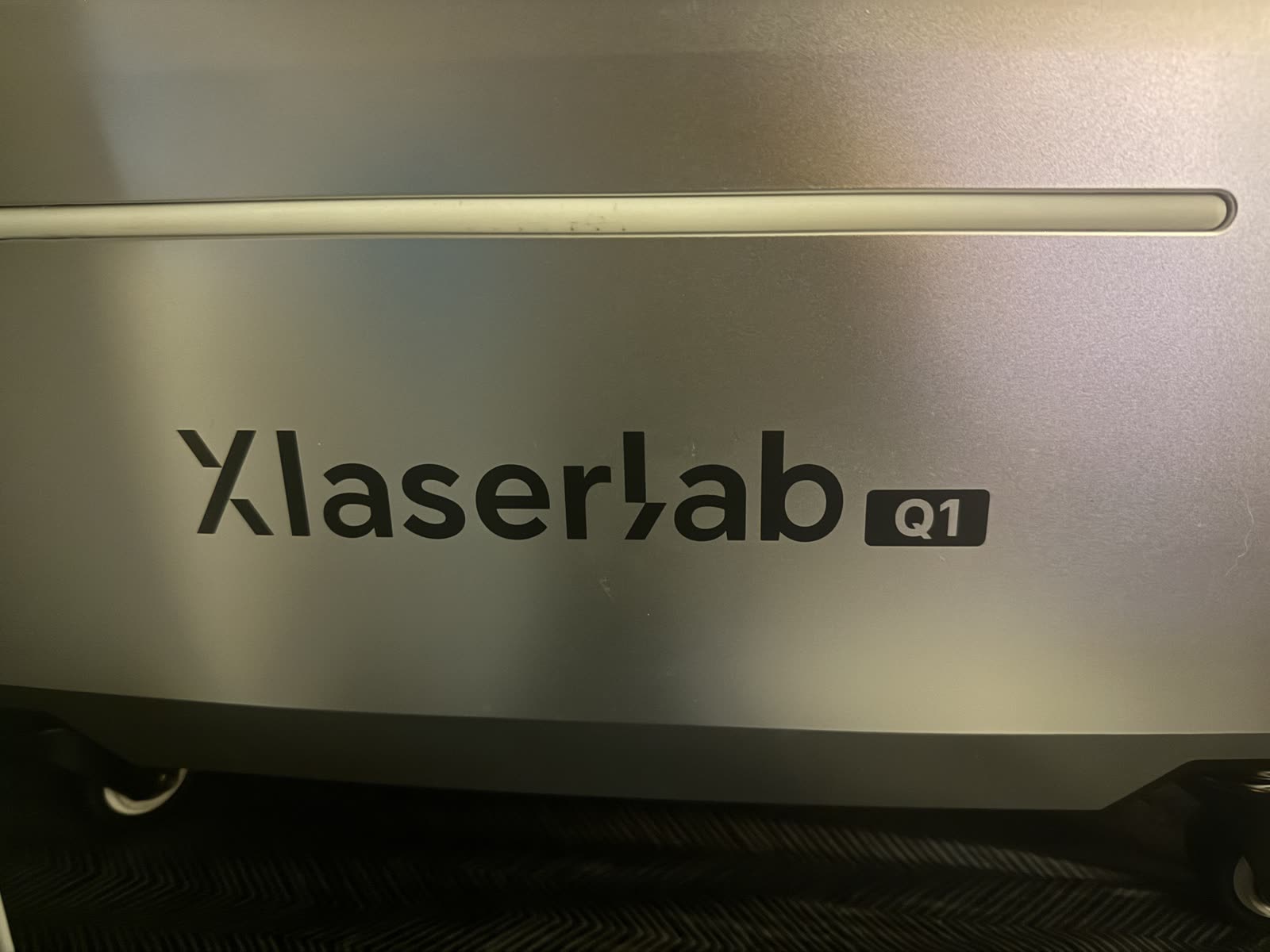
What they do well
- Rust, oxide and light coatings on metal, with little damage to the base metal.
- Precise, selective cleaning: weld seams, molds, a single area.
- No blast media to buy or clean up, and no chemical waste.
- Work in place on fixed objects.
Where they struggle
- Thick, multi-layer paint can be slow compared with blasting.
- The purchase price is far higher than blasting or chemical gear.
- Results depend on settings and operator skill. The wrong settings can discolor or heat-tint metal and scorch wood.
- Heat-sensitive materials need careful testing.
Pulsed vs. continuous-wave (CW)
Pulsed fiber lasers deliver short, high-peak-power pulses. They're generally better for delicate surfaces and give finer control. CW units usually cost less for the same rated wattage and are fast on heavy rust, but they put more heat into the part. Compare at equal wattage and check specs like pulse energy and scan width.
| Pulsed fiber | Continuous-wave (CW) | |
|---|---|---|
| Price | Higher (~$6k–$20k+) | Lower (~$2.5k–$8k) |
| Speed | Moderate; good on thin coatings | Fast on heavy rust |
| Heat into the part | Low; safer on thin, delicate or heat-sensitive parts | Higher; risk of heat tint, warping thin sheet, scorching wood |
| Best for | Restoration, molds, wood, stone, precision | Heavy industrial rust, thick steel |
Safety and compliance are part of the price
Budget for wavelength-rated eyewear for everyone nearby, a controlled work area, and fume extraction. Removing lead paint, galvanizing or other coatings with a laser still produces hazardous fumes.
Buy or hire?
Buying makes sense if you have steady, repeat cleaning work and can train for it safely. For one-off projects, hiring a pro or using blasting or chemicals is usually far more economical. Get quotes and compare.
| Option | Typical cost | Notes |
|---|---|---|
| Entry CW handheld | ~$2,500+ | Fast on rust, more heat; plus eyewear, extraction |
| Mid-range CW | ~$4,000–$8,000 | More power and duty cycle |
| Pulsed fiber | ~$6,000–$20,000+ | Finer control, less heat; slower per dollar |
| Hire a pro | ~$150–$350/hr, often $300–$1,400 minimum | No equipment, training or safety gear to buy |
Hire a pro near you
If you're in Middle Tennessee, I run Music City Laser Cleaning in Hendersonville, TN: rust, paint and grime removal on metal, wood and stone, done in place. Send photos for a quote.
Get a quote from Music City Laser Cleaning
Cheaper alternatives
For tools and small parts, a soak, citric acid or electrolysis does the job for a few dollars. See how to remove rust from tools for a remover comparison and an electrolysis setup.
Products for this job
- Laser safety glasses, 1064 nm rated Match the wavelength and OD to your laser's manual. Check price on Amazon
- Fume extractor Pulls ablation fumes away from the work zone. Check price on Amazon
More eye protection options
- Monport 1064nm OD7 fiber laser glasses Rated for 1064 nm fiber lasers. Confirm your machine's wavelength first. See it at Monport
- Cloudray laser safety goggles Check the listed wavelength range and OD match your laser. Check price on Amazon
FAQ
Are handheld laser cleaners safe?
They're Class 4 lasers. They're safe only with wavelength-matched eyewear for everyone nearby, a controlled work area, and fume extraction. Reflected beams can injure eyes.
Can a laser cleaner remove paint?
Yes, especially thin coatings and single layers. Thick, multi-layer paint is slow compared with blasting. Lead paint still makes hazardous fumes, so test first.
Will laser cleaning damage metal?
With correct settings, little to none: the base metal reflects much of the beam. Wrong settings, or a CW laser dwelling too long, can heat-tint, discolor or warp thin metal.
What wattage laser cleaner do I need?
For light rust and hobby work, roughly 100–200W pulsed or an entry 1000–1500W CW. Heavy rust and production work push toward 2000W+ CW or 200W+ pulsed. Match the machine to the material and test on scrap.