How to Remove Rust from Tools (Hand Tools, Saws and Wrenches)
This guide contains affiliate links. As an Amazon Associate I earn from qualifying purchases. Disclosure.
Most rusty tools can be saved. Pick the gentlest method that works, because every abrasive or acid step takes a little metal with it.
1. Assess and clean
Degrease first with dish soap and water or a degreaser. Oil and grime stop rust removers from working. Check for deep pitting. Pits can't be "removed" without grinding the surface down, but they can be cleaned and stabilized.
2. Light surface rust: mechanical
- Fine steel wool or an abrasive pad with a little oil or WD-40-style penetrant.
- Brass brushes are softer than steel and less likely to scratch.
- A wire wheel on a drill or bench grinder works fast but can polish away markings. Wear eye protection and a face shield.
3. Moderate rust: soaks
- White vinegar (acetic acid): soak for hours to overnight and check often. Leaving it too long etches the steel and can leave it dark gray.
- Citric acid (powder dissolved in warm water): similar action, low odor.
- Chelating rust removers (e.g., Evapo-Rust-type products): near-neutral pH, safe on most paints and plastics, slower but gentle. Follow the label.
- Phosphoric acid gels/naval jelly: good for vertical surfaces. They leave a phosphate layer.
After any acid soak, rinse, neutralize if the label says to (baking soda solution for acids), dry immediately, and oil. Bare steel will flash-rust within minutes to hours.
Products for this job
- Evapo-Rust ER012 (1 gallon) Chelating, near-neutral soak; safe on most paints and plastics. Check price on Amazon
- WD-40 Specialist Rust Remover Soak (1 gallon) Acid-free soak; light rust in 1 to 3 hours, heavy rust overnight. Check price on Amazon
- Metal Rescue Rust Remover Bath (1 gallon) Water-based, reusable soak for iron and steel. Check price on Amazon
- Brass wire brush set Softer than steel, less likely to scratch. Check price on Amazon
- Wire wheel set for drill Fast mechanical rust removal. Wear a face shield. Check price on Amazon
Best rust remover for tools: quick comparison
Costs are rough street prices and vary by size and store. Soak times are typical for light-to-moderate rust; heavy rust takes longer.
| Remover | Approx. cost | Soak time | Smell / fumes | Neutralize? | Etching risk |
|---|---|---|---|---|---|
| Evapo-Rust | ~$25–35/gal, reusable | Hours to overnight; slow on hardened blades | Mild | No (pH-neutral; rinse and dry) | Very low |
| WD-40 Specialist Rust Remover Soak | ~$25–35/gal, reusable | 1–3 h light rust, overnight heavy (label) | Mild | No (acid-free; rinse and dry) | Very low |
| Metal Rescue | ~$25–35/gal, reusable | Hours to overnight | Mild | No (water-based; rinse and dry) | Very low |
| White vinegar | ~$3–5/gal | Often under 8 h; check hourly | Strong vinegar smell | Yes (baking soda rinse) | High if left too long |
| Citric acid (~10% solution) | ~$10–20/lb, makes several gallons | Often under 8 h | Low odor | Yes (baking soda rinse) | Moderate–high if left too long |
| Naval Jelly (phosphoric gel) | ~$10–15/16 oz | Brush on, 5–10 min, rinse (label) | Acidic; ventilate | Rinse well per label | Moderate; don't leave on |
Why the differences: chelating soaks like Evapo-Rust are pH-neutral, so there's nothing to neutralize afterward (Popular Woodworking). In side-by-side tests, vinegar and a 10% citric acid solution stripped rust in under eight hours but can etch the steel, while Evapo-Rust was slow on hardened blades and did well on cast iron (Working By Hand). My pick for valuable tools: a neutral soak. For cheap, quick jobs: citric acid, watched closely.
Not sure if you want a remover or a converter? See rust converters compared.
4. Heavy rust: electrolysis
A plastic tub, water with washing soda (sodium carbonate), a sacrificial steel anode on the positive lead and the tool on the negative lead of a battery charger. It converts and loosens rust even in pits. Do it outdoors, because it gives off hydrogen gas, which is flammable. Never use stainless steel as the anode. It can release hexavalent chromium compounds.
Electrolysis setup
- Electrolyte: about 1 tablespoon washing soda (sodium carbonate) per gallon of water.
- Power: a manual (non-"smart") 12V battery charger around 6A. Smart chargers often won't start without sensing a battery. Manual battery chargers on Amazon
- Anode: sacrificial plain steel (rebar, scrap mild steel) on the positive (red) lead. Never stainless or galvanized.
- Tool: on the negative (black) lead, fully submerged, not touching the anode.
- Tank: a plastic bucket or tub. Not metal.
Amps: 2–6A is plenty for hand tools; expect a few hours to overnight. Rust on the line-of-sight side clears fastest, so turn the part or use two anodes.
Safety: the cathode gives off hydrogen, which is flammable. Work outdoors or in strong ventilation, no sparks or flames nearby, connect clips before plugging in and unplug before touching anything. Never use stainless as the anode (hexavalent chromium). Wear chemical-resistant gloves and eye protection.
5. Protect it
Wipe on a light oil, paste wax or a dedicated rust preventive. Store tools dry. Silica gel or a dehumidifier helps in damp garages.
Protect it: what I'd use
- Boeshield T-9 Waxy rust and corrosion protection for tool steel and machine tables. Check price on Amazon
- WD-40 Specialist Corrosion Inhibitor Long-term protective film for stored tools. Check price on Amazon
- Renaissance Wax Thin microcrystalline wax for vintage or collectible tools; small tin goes far. Check price on Amazon
- Rust-Oleum Rust Reformer Converts leftover rust on parts you'll paint (not working surfaces). Check price on Amazon
- Face shield For wire wheels and grinders. Check price on Amazon
When a laser makes sense
For valuable or delicate items, or large fixed objects, laser cleaning removes rust with minimal material loss. These photos show a laser pass on rusty cast metal:
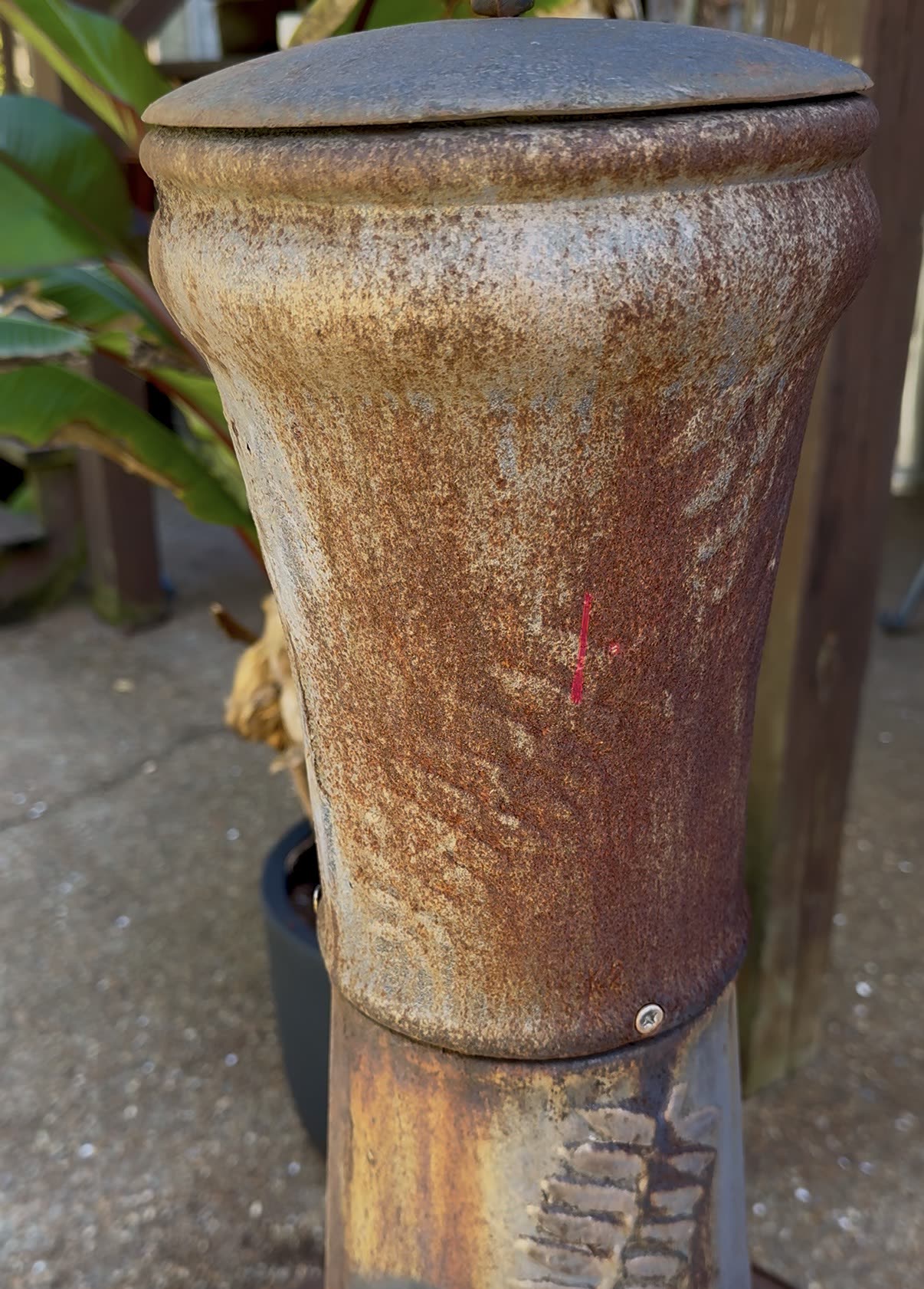
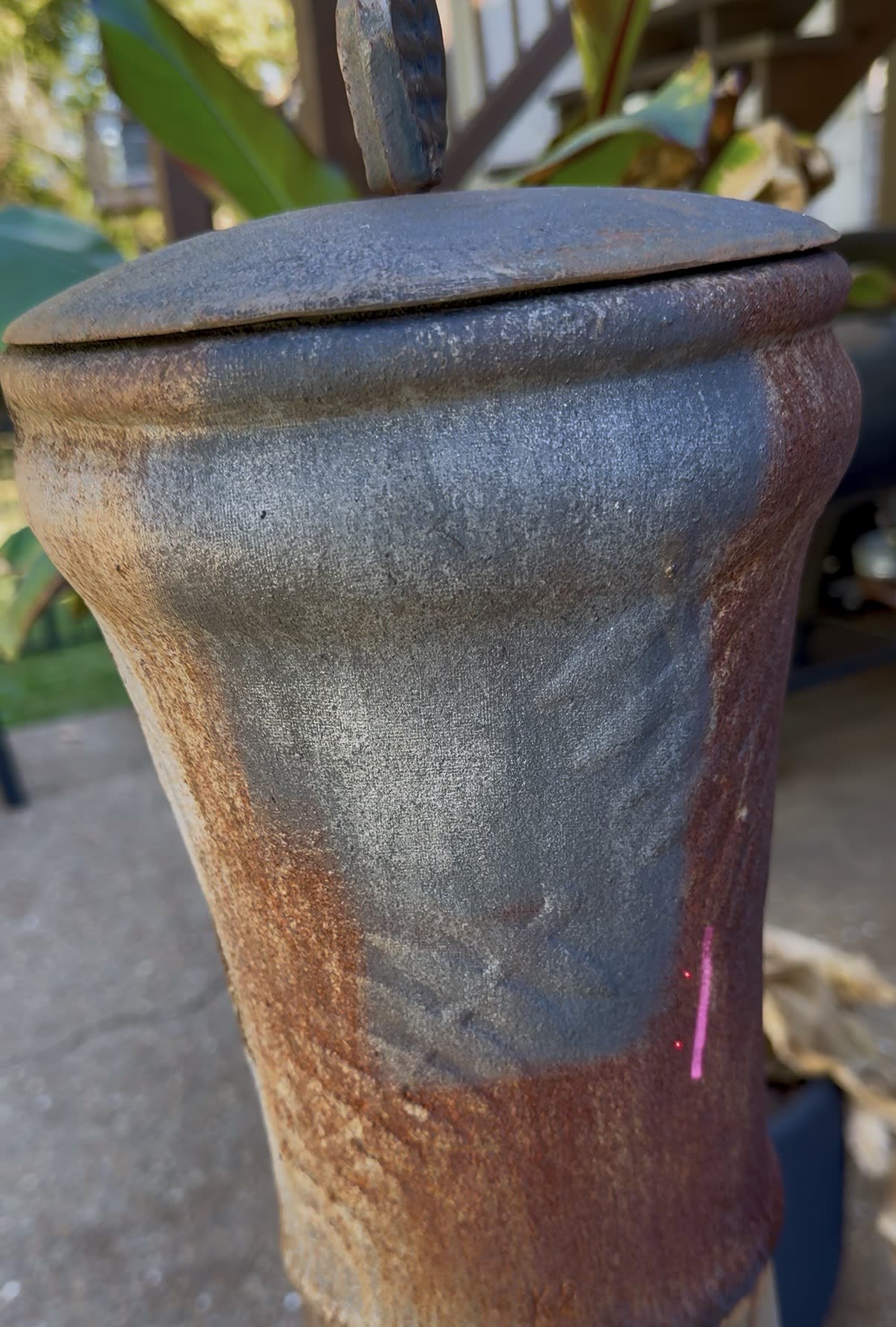
Cost check: professional rust removal is commonly quoted around $150–$350 per hour, usually with a job minimum (Laser Clean Restoration pricing). For a few hand tools, a $30 soak wins. For big or fixed items, see whether laser cleaning is worth it.
Once they're clean, keep them that way: how to store tools so they don't rust.
FAQ
Will vinegar damage my tools?
It can. Vinegar is an acid: left too long it etches steel and can leave it dark gray and pitted-looking. Check every hour or two, pull the tool as soon as the rust is gone, neutralize with a baking soda rinse, dry and oil.
How long should I soak tools in Evapo-Rust?
Light rust often clears in under an hour; heavier rust takes several hours to overnight. Hardened blades can be slow. It's pH-neutral, so a longer soak won't etch the steel.
Can pitted tools be saved?
Usually, yes. Remove the rust from inside the pits (a soak or electrolysis works best), then oil or wax. The pits themselves stay unless you grind or lap the surface down, which you should skip on collectible tools.
What's the difference between a rust converter and a rust remover?
A remover dissolves or lifts rust to get back to bare metal. A converter chemically turns remaining rust into a stable black layer you paint over. Use removers on tools you use; use converters on parts you'll paint.
How do I stop flash rust after a soak?
Rinse, dry immediately (compressed air or a heat gun on low helps), and apply oil, Boeshield T-9 or wax right away. Bare steel can flash-rust within minutes to hours in humid air.