How to Restore Rusty Garden Tools: Shovels, Pruners, Hoes and Handles
This guide contains affiliate links. As an Amazon Associate I earn from qualifying purchases. Disclosure.
Garden tools take more abuse than anything else in the shed. They're stuck in wet soil, coated in sap, and often left outside overnight. The good news: a shovel, hoe or pair of pruners that's orange with rust is usually still worth saving. Rust on a garden tool is mostly cosmetic until it starts pitting the edge or the pivot. Here's the order I use, gentlest first.
1. Clean before you de-rust
- Knock off soil with a stiff brush and water, then let the tool dry. Rust removers and abrasives work poorly through caked dirt.
- Dissolve sap and resin on pruners, loppers and saws with a solvent such as mineral spirits or rubbing alcohol on a rag. Sap left on the blade traps moisture and makes the tool stick.
- Take pruners apart if they're designed for it (most quality bypass pruners are). Rust hides at the pivot and under the spring. Keep the parts in order on a rag and photograph them first.
2. Remove the rust
Match the method to how bad it is:
| Condition | Method | Notes |
|---|---|---|
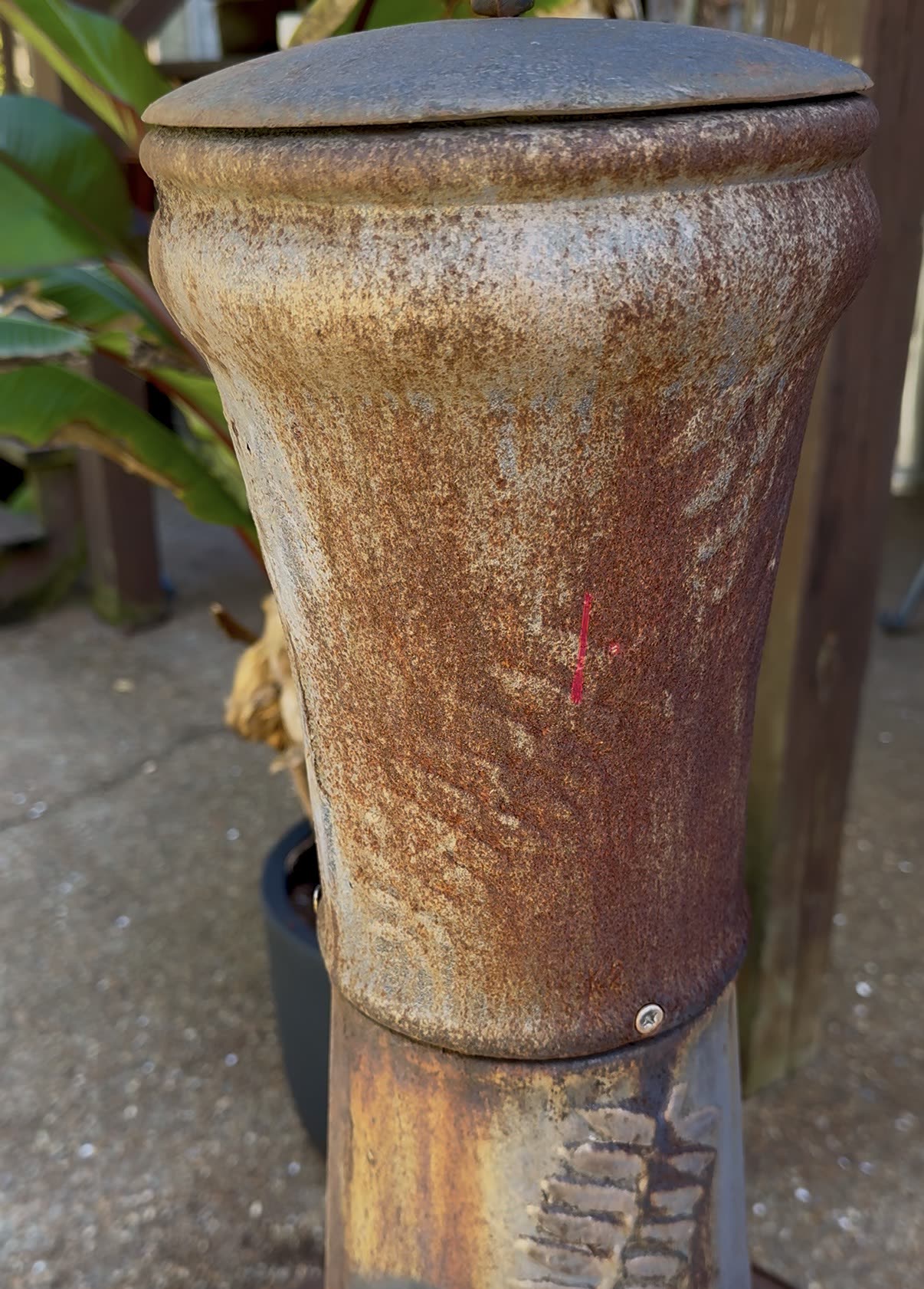
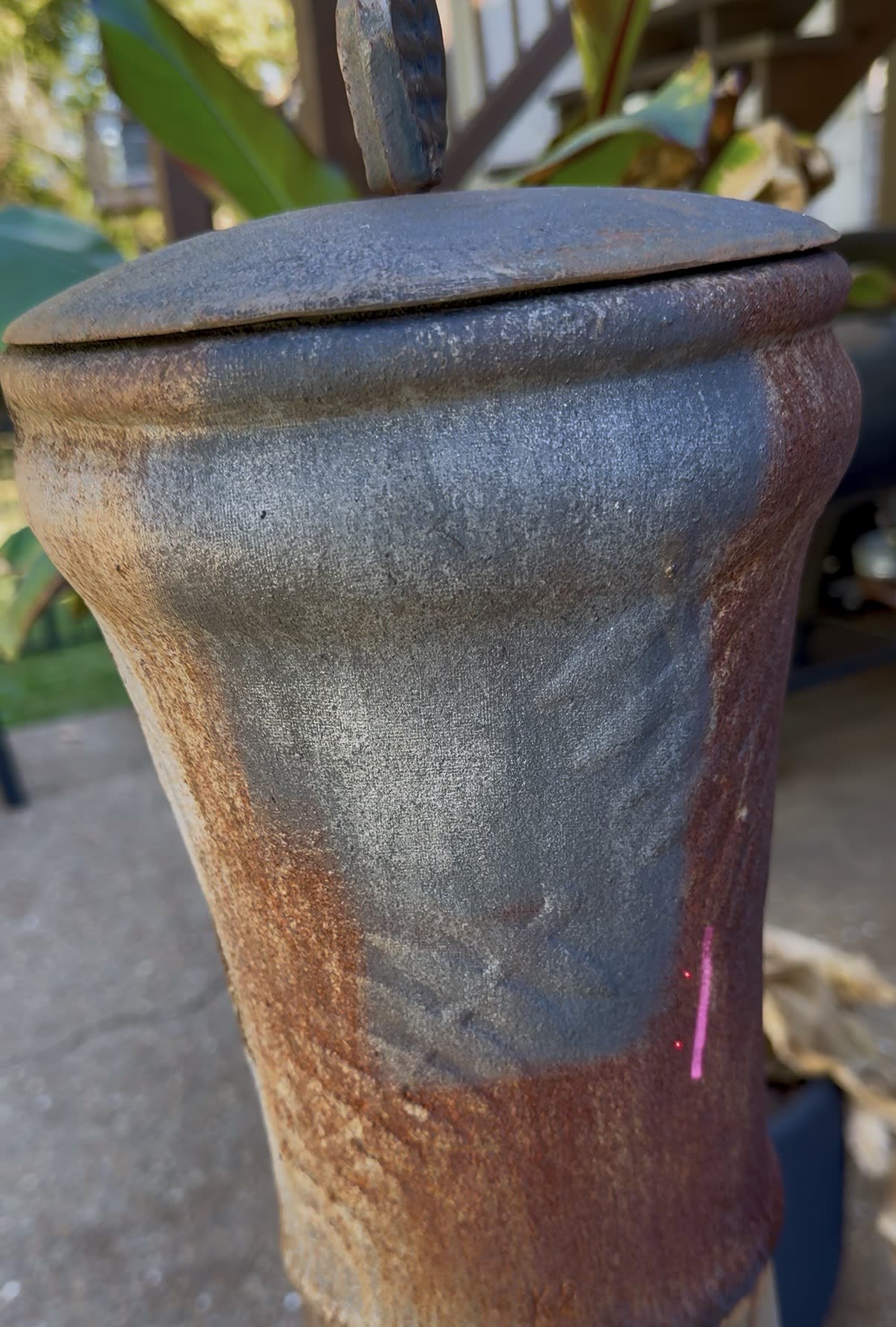
| Light surface rust | Steel wool, a nylon abrasive pad or a brass/steel wire brush with a little oil | Fast and cheap. Fine for shovels, rakes and trowels. |
| Moderate rust, small tools | Chelating soak (Evapo-Rust type) | Near-neutral and reusable. Won't attack sound steel. Takes hours to overnight. Good for pruner blades and pivot hardware. |
| Moderate rust, budget | White vinegar soak | Works, but it's an acid: check every hour or two, because long soaks etch the steel. Rinse, neutralize with a baking-soda solution, dry immediately. |
| Heavy scale on big tools | Wire wheel or flap disc on a grinder | Quick, but it removes metal. Keep it moving and wear a face shield, not just glasses. |
Whatever you use, dry the steel right away and oil it. Freshly cleaned steel flash-rusts within hours, especially in humid weather. For more detail on soaks and electrolysis, see How to Remove Rust from Tools.
3. Sharpen the working edge
- Shovels, spades and hoes: clamp the tool and file the existing bevel, usually on the top/inside face only, pushing the file away from the edge. You want a working edge, not a razor; a very thin edge chips on rocks.
- Bypass pruners and loppers: sharpen only the beveled cutting blade, following its original angle, with a diamond file or carbide sharpener. Leave the flat back face flat; just remove any burr with a light pass.
- Mower blades: remove the spark plug wire first, and check balance after sharpening. An unbalanced blade vibrates and wears the engine.
4. Refinish wooden handles
Gray, splintery handles cause blisters and eventually crack. Sand off the old varnish and the rough gray layer with 80 to 120 grit, wipe off the dust, then rub in boiled linseed oil. Let it soak in, wipe off all the excess, and let it cure before use. Repeat once a year. Replace any handle that's cracked through; a split handle can fail under load.
5. Protect and store
- Wipe metal with a light coat of oil or a long-lasting rust inhibitor before storing, and after each use in wet soil.
- Store tools hanging, dry and off the floor, not leaning in a damp corner or left out in the bed.
- Many gardeners keep a bucket of sand with a little clean oil mixed in and push shovels into it after use. Skip used motor oil; it's messy and contaminates soil.
- Clean pruners with rubbing alcohol between plants if you're cutting diseased growth.
Products for this job
- CRC Evapo-Rust rust remover, 1 gallon Chelating soak for pruner blades, pivots and small hardware; reusable. Check price on Amazon
- AccuSharp garden tool sharpener Quick carbide sharpener for shovels, hoes, loppers and mower blades. Check price on Amazon
- Felco 903 diamond sharpening tool Small diamond file sized for pruner and lopper blades. Check price on Amazon
- Corona AC 8300 carbide blade sharpener Pocket-sized carbide file for straight garden blades. Check price on Amazon
- Sunnyside boiled linseed oil, quart Classic finish for sanded wooden handles. Check price on Amazon
- Fluid Film corrosion inhibitor, 11.75 oz aerosol Lanolin-based coating that doesn't dry out; good for storing tools over winter. Check price on Amazon